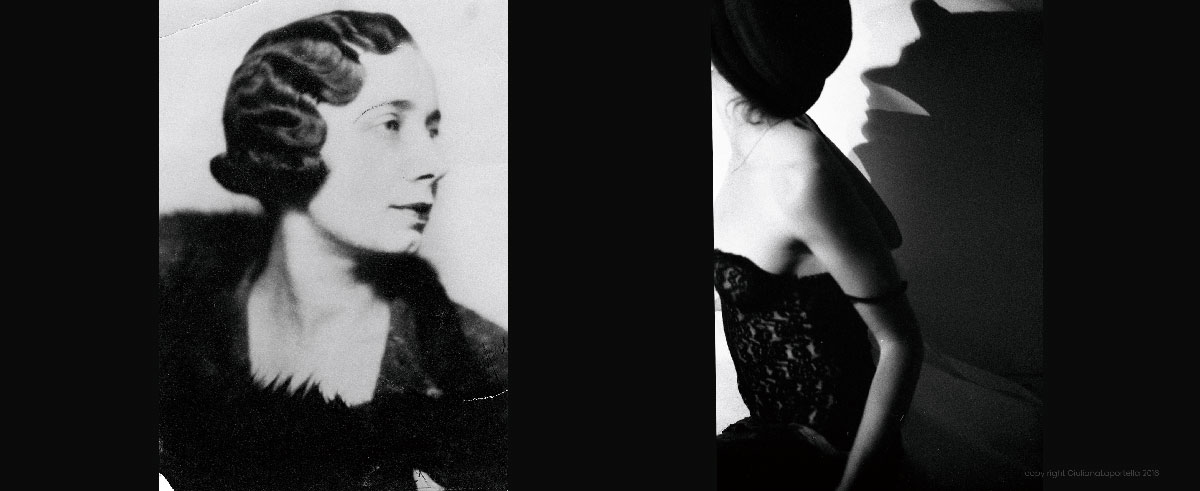
2016 · First shown 2017
Penelope Is Travelling,
Because Staying Has Nowhere
Twenty-seven plates of found photographs, memory and word: Penelope's cloth becomes a network.
Twenty-seven plates of found photographs, memory and word: Penelope's cloth becomes a network.
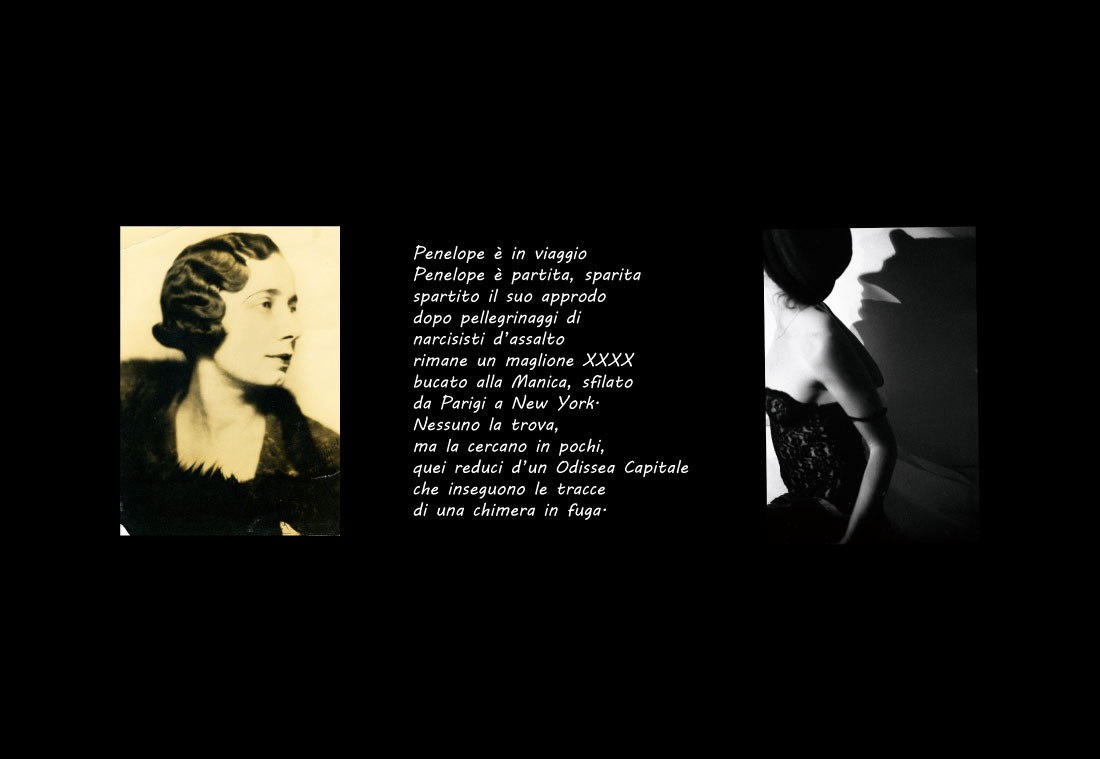
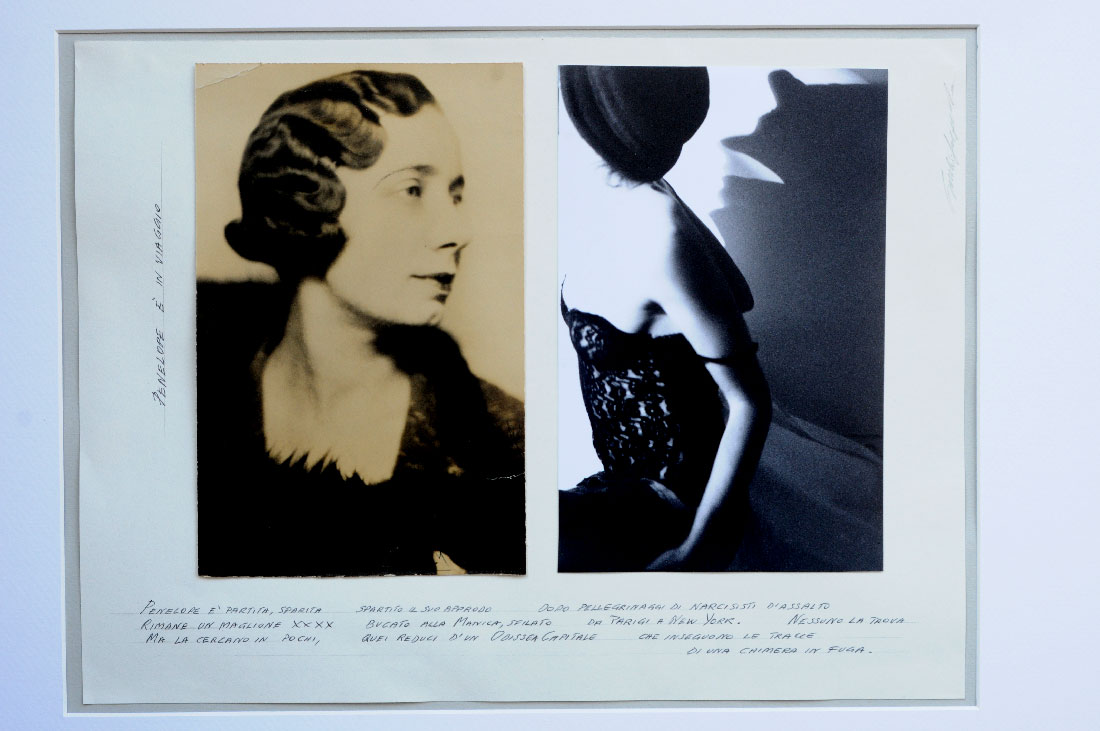
Penelope is travelling Penelope has departed, disappeared her harbour parcelled out after pilgrimages of narcissists on the offensive there remains an XXXX sweater holed at the Sleeve, unravelled from Paris to New York. No one finds her, but few seek her, those veterans of a Capital Odyssey who chase the traces of a chimera in flight.
"Penelope Is Travelling, Because Staying Has Nowhere" was conceived in 2016 and first shown in 2017. The project began with a collection of anonymous, largely amateur photographs from the twentieth century, found at flea markets: fragments of private lives and memories, taken out of their original context and put in dialogue with contemporary images and hand-written text.
It is a reversal of the figure of Penelope. No longer only the one who stays behind, waiting for Odysseus, but a figure who undertakes a journey of her own (temporal, physical and conceptual) across past, present and future. Her cloth, endlessly woven and unwoven, was never stillness: it was already a way of governing time.
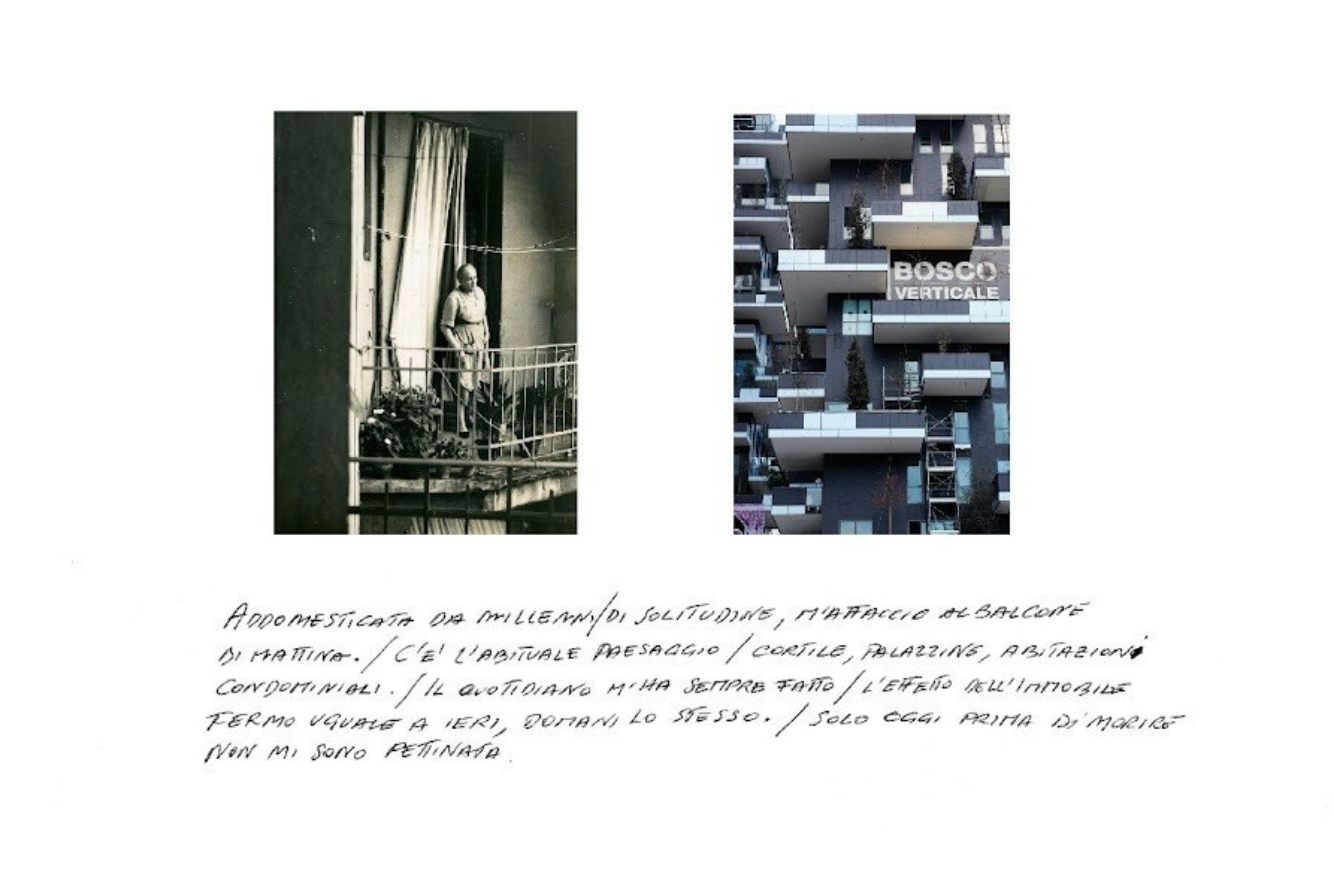
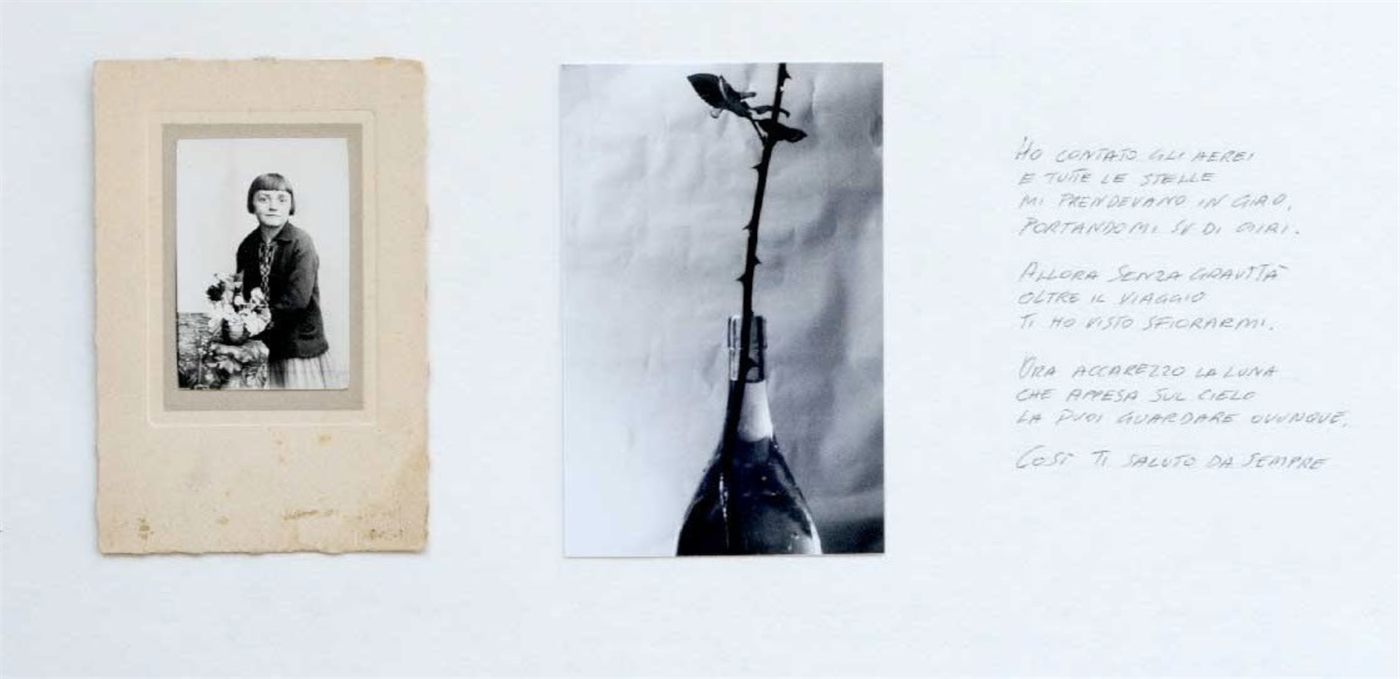
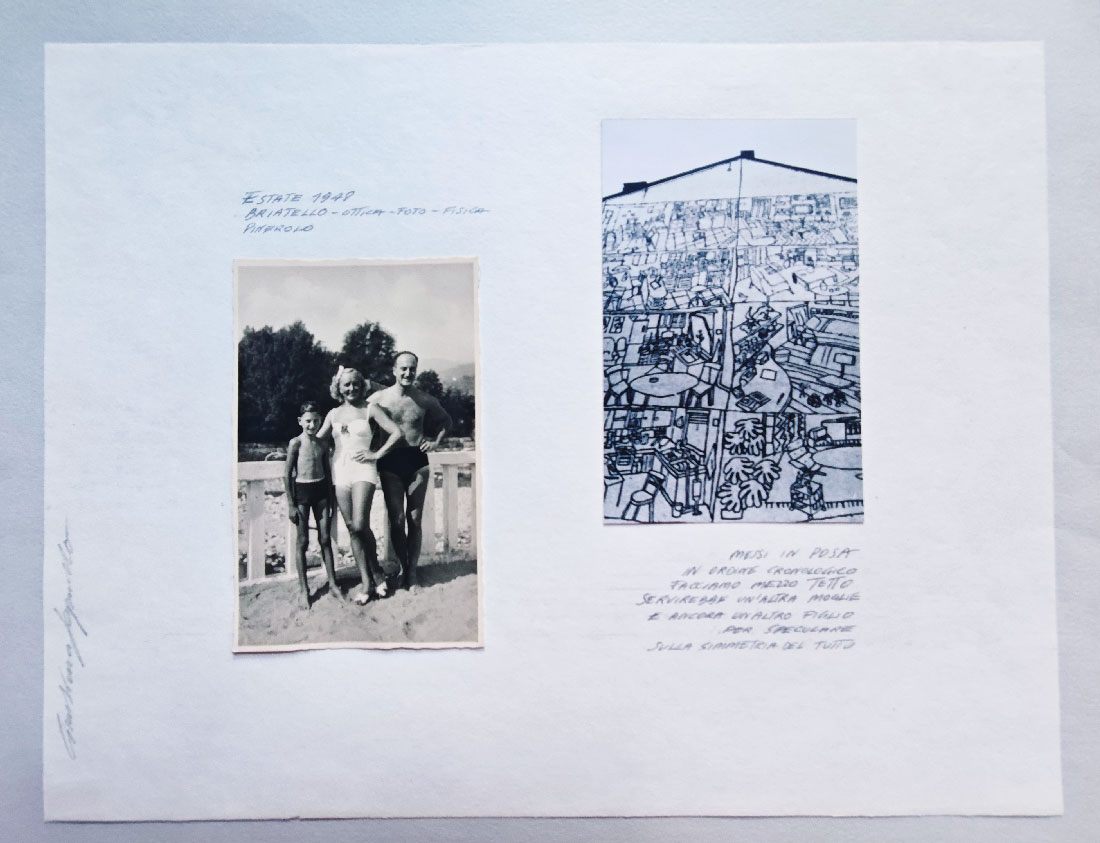
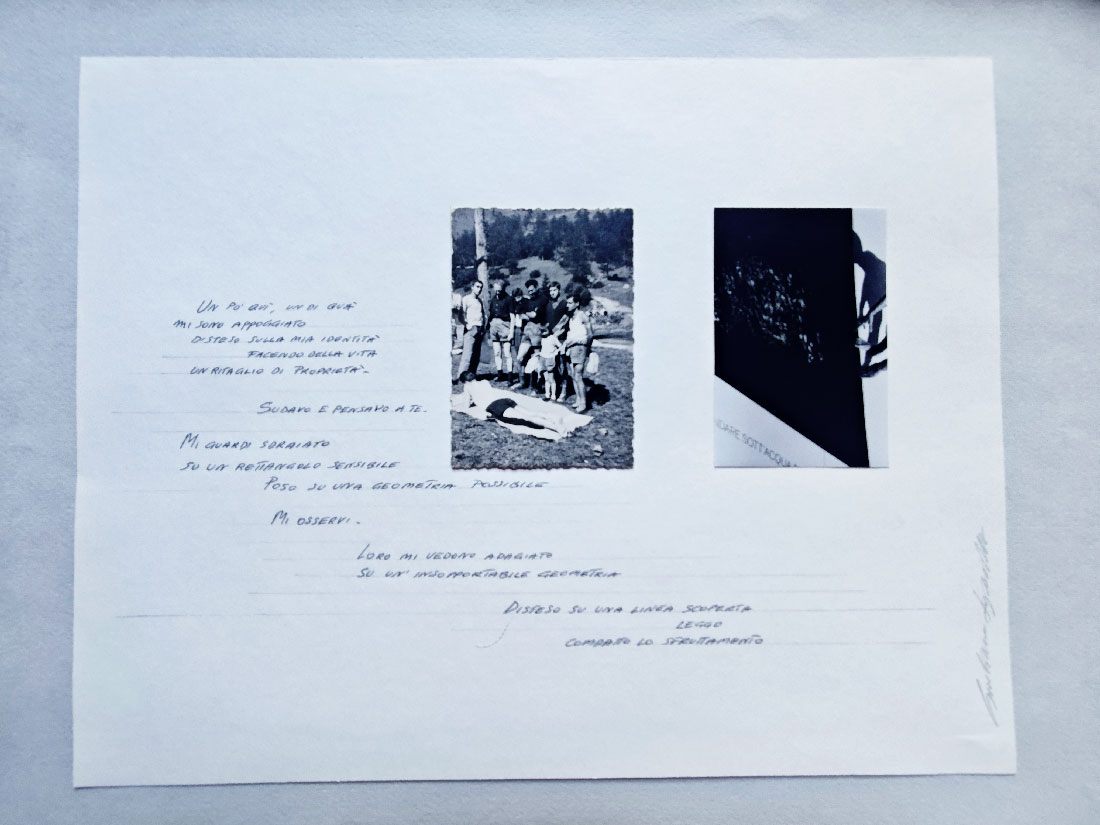
Twenty-seven plates make up the work, each built on the same structure (a photograph from the past, a word, an image of the present) in a dialogue that recognises no single direction of time.
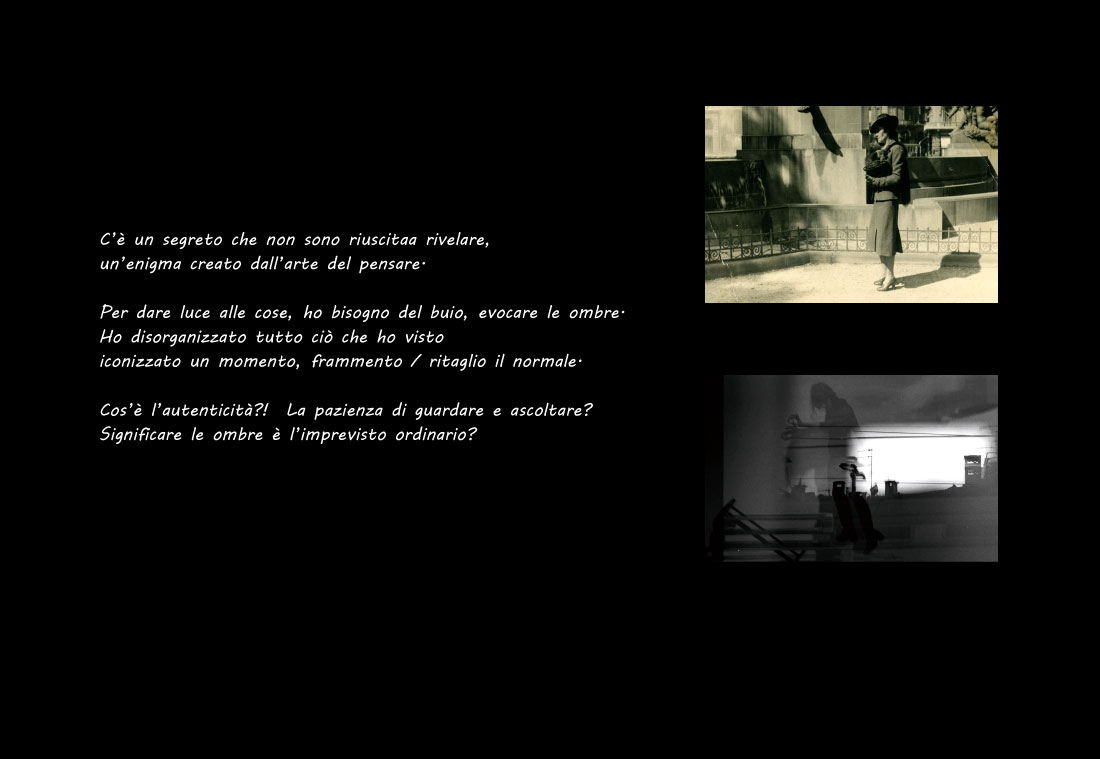
There is a secret I have not been able to reveal, an enigma created by the art of thinking. To give light to things, I need the dark, to evoke the shadows. I have disorganized everything I have seen, iconized a moment, fragment / cut-out the ordinary. What is authenticity?! The patience to look and listen? To signify the shadows, is it the ordinary unforeseen?
The title is not a declaration of refusal. Penelope does not stop waiting in order to start travelling: through the cloth, and through her own governing of time, her journey was already underway. To weave and unweave is not stillness: it is a way of acting on time, suspending it, stretching it, altering its course. Her apparent waiting already held courage, intelligence, authority.
"Staying has nowhere" does not point to a place to be abandoned, and it is not simply a statement of female emancipation. It is something wider: the emancipation of the gaze from rigid structures, from predetermined roles and absolute moral divisions: the possibility of shifting one's own point of observation to see what had previously stayed out of frame.
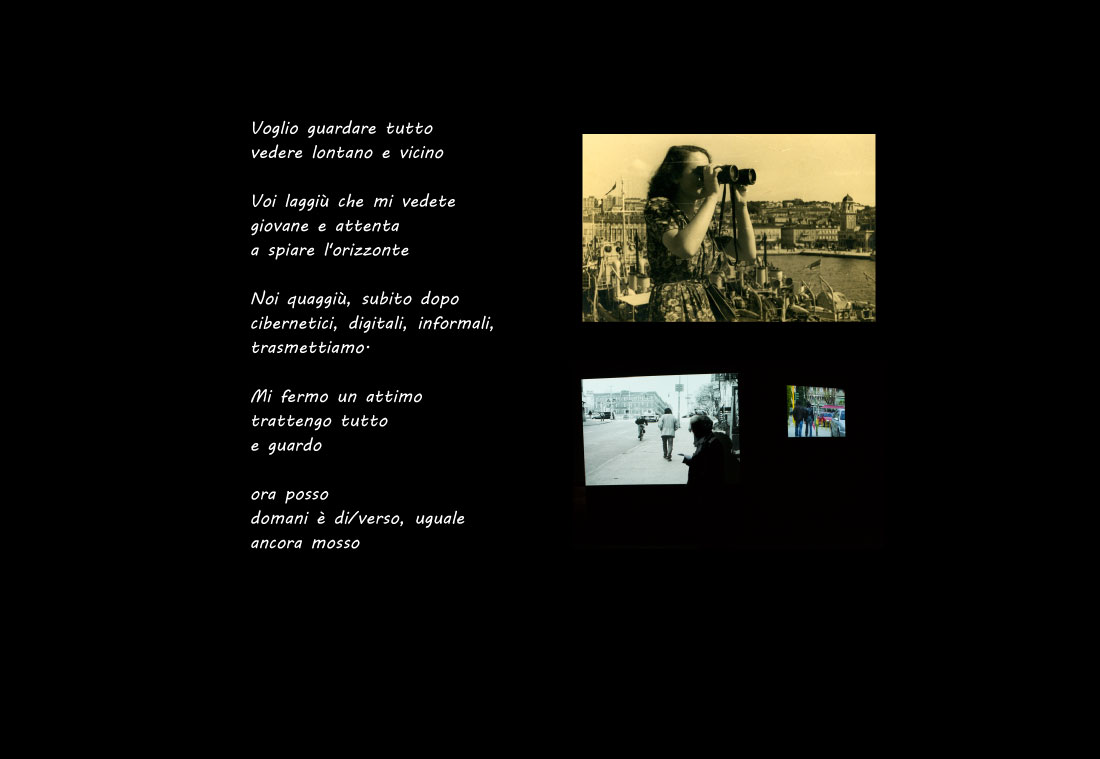
I want to look at everything see far and near You down there who see me young and attentive spying on the horizon We down here, just after cybernetic, digital, informal, we transmit. I stop for a moment hold everything and look now I can tomorrow is dif/ferent, the same still blurred
In the work, Penelope's cloth crosses the centuries until it becomes a network: the web, digitisation, the new space through which humanity navigates. Onto the physical navigation of the myth is layered today's immaterial one: a continuous movement through images, words, memory and knowledge.
It is a gaze at once analogue and digital: on one side, the photographs of another era, amid landscapes and figures of everyday life; on the other, a present in which thought and memory themselves become territory to cross.
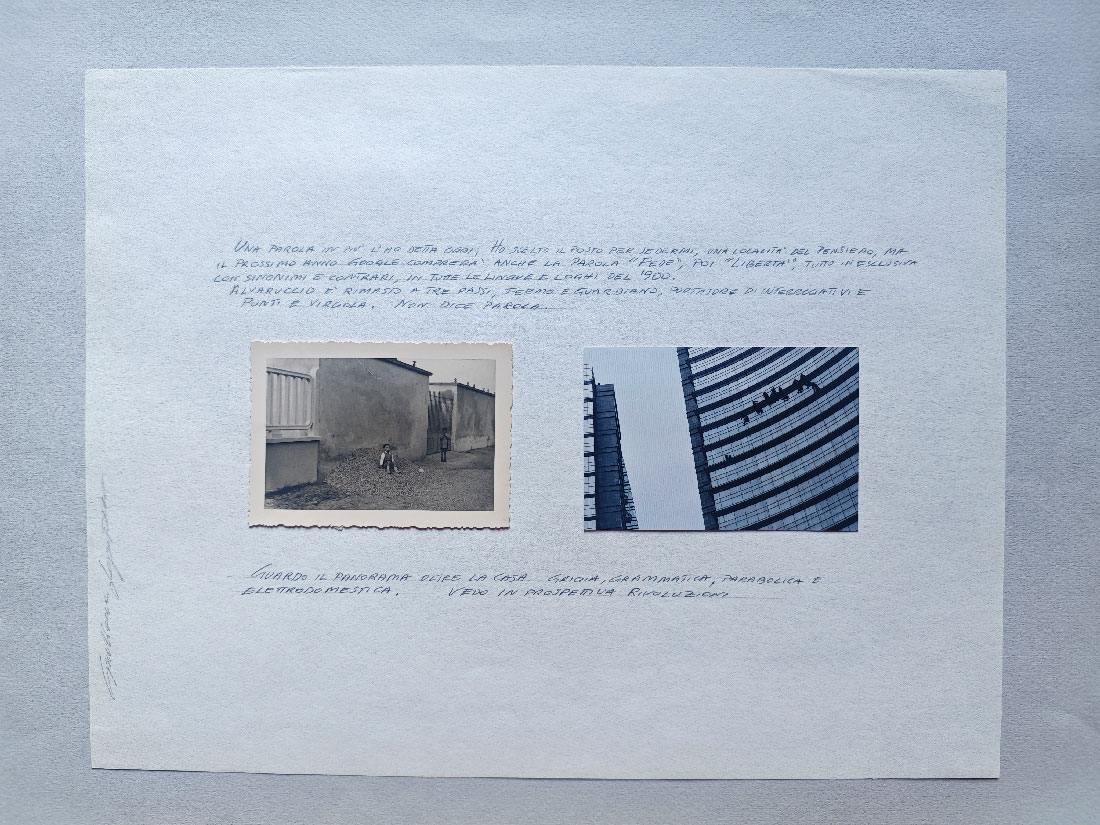
"I said one more word today. I chose the place to sit, a location of thought — but next year Google will buy the word 'Faith' too, then 'Freedom', all exclusive, with synonyms and antonyms, in every language and every logo of the twentieth century. (…)" From the plates of the project
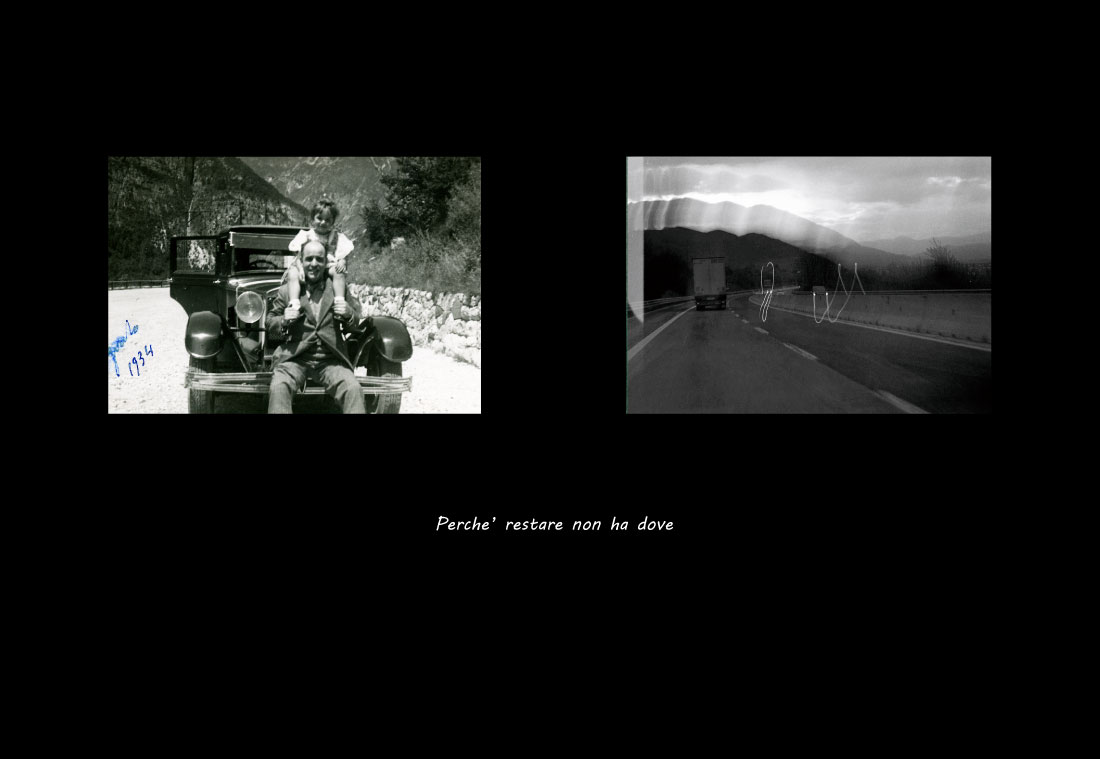
Because Staying Has Nowhere
Every plate follows the same structure, a photograph of the past, the word, a photographed image of the present. The photographs from another era are mostly anonymous, recovered at flea markets, and look forward; the contemporary images, taken by the artist, answer them. Between the two, the text becomes the voice of the old image, the trace of a memory, a present thought or a collective consciousness, without belonging definitively to either time.
Past, present and future thus stop being an ordered sequence: the images observe one another, build relationships, generate new meanings.
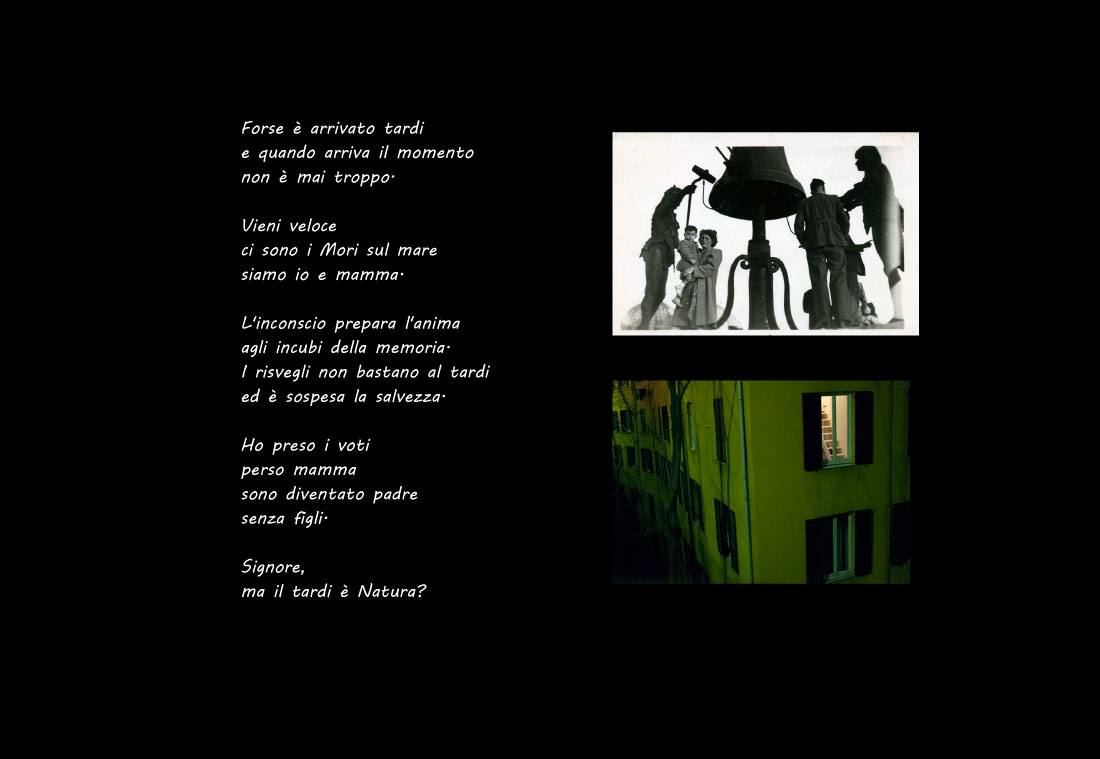
Perhaps it came late and when the moment comes it is never too late. Come quickly the Moors are on the sea it is mother and me. The unconscious prepares the soul for the nightmares of memory. Awakenings are not enough for the late and salvation hangs suspended. I took my vows lost mother I became a father without children. God, but is the late Nature?
"Space, for me, is less important, less valuable, than time. Not because it's inferior, but because it's a thing, whereas time is an idea about a thing. Given a choice between a thing and an idea, one should always choose the idea, I think."
Joseph Brodsky, Flight from Byzantium
Artist of image and word, made into one aesthetically coherent, semantically inseparable whole, Giuliana Laportella places her refined work between time and memory in an unusual perspective, and steers time — the last frontier — under the sign of Penelope, icon of patient waiting, who is both steadfastness and change.
Without contradiction: for in making and unmaking, Penelope governs time, does with it as she pleases. And indeed now she is gone, truly departed. It is useless to look for her — even her landing place does not exist, like a memory that reappears and slips away again, governed by secret processes.
To plough through memories, to feel time freed from a fierce and banal linearity, to perceive its essence as circle and spiral, thanks to the skilful juxtaposition of old photographs rescued from oblivion, new images created by the artist, and the counterpoint of measured, exact words: like Penelope with weft and warp, Giuliana Laportella takes away and adds, composing passages and landscapes of time and within time, translated for us into a space of vision and sharing.
A space that frames, neither defined nor given; a space that always leads elsewhere, because the artist invites us to the difficult, exhilarating exercise of freedom — impossible to escape, because beauty, even when it unsettles and seduces, is a fertile medium, a powerful impulse.
Because beauty moves us, and Giuliana Laportella's works are emotion. Nothing fixes an object, a face, an individuality, the way a photograph does, undeniably giving it a unique dimension. It is not us, and yet there is always something of us in every face portrayed; it does not speak of us, and yet it says something that concerns us.
Images and stories, held together, form a single truth, recovering lost narratives with a seer's eye.
«Lo spazio per me è meno importante e meno prezioso del tempo. Non perché sia inferiore, ma perché è una cosa, mentre il tempo è l'idea di una cosa. Dovendo scegliere tra una cosa e un'idea, quest'ultima è sempre da preferire, dico io.»
Iosif Brodskij, Fuga da Bisanzio
«Penelope è in viaggio, sparita
Sparito il suo approdo …»
Artista dell'immagine e della parola, divenute insieme esteticamente coese, semanticamente inscindibili, Giuliana Laportella pone il suo raffinato lavoro tra tempo e memoria in una prospettiva inconsueta e capitana il tempo, ultima frontiera, sotto il segno di Penelope, icona di attesa paziente, che è fermezza e insieme mutamento.
Senza contraddizioni: perché nel fare e disfare, Penelope governa il tempo, ne fa quello che vuole. E infatti ora è spartita, partita davvero. Inutile cercarla, anche il suo approdo non c'è, come il ricordo che riappare e se ne va, governato da processi segreti.
Solcare i ricordi, sentire il tempo svincolato dalla linearità feroce e banale, percepirne l'essenza che è circolo e spirale, grazie al sapiente accostamento tra antiche fotografie sottratte all'oblio, nuove immagini create dall'artista e contrappunto di misurate e esatte parole: come Penelope con trama e ordito, Giuliana Laportella sottrae e aggiunge, componendo passaggi e paesaggi del tempo e nel tempo, tradotto per noi in spazio di visione e condivisione.
Spazio che incornicia, non definito e dato; spazio che porta sempre a un altrove perché l'artista invita al difficile e esaltante esercizio della libertà al quale è impossibile sottrarsi perché la bellezza, anche se inquieta e seduce, è fertile tramite, impulso potente.
Perché la bellezza emoziona, e le opere di Giuliana Laportella sono emozione. Niente come lo scatto fotografico fissa un oggetto, un volto, un'individualità, donandogli una dimensione unica, innegabilmente. Non siamo noi, ma c'è sempre qualcosa di noi in ogni volto ritratto; non si parla di noi, eppure si dice qualcosa che ci riguarda.
Immagini e storie coese formano un'unica verità, recuperano narrazioni perdute con occhio indovino.
Chiara Milani
The project was first shown at The Art Company, Via Borgovico 163, Como, from 6 to 29 October 2017, curated by Chiara Milani.
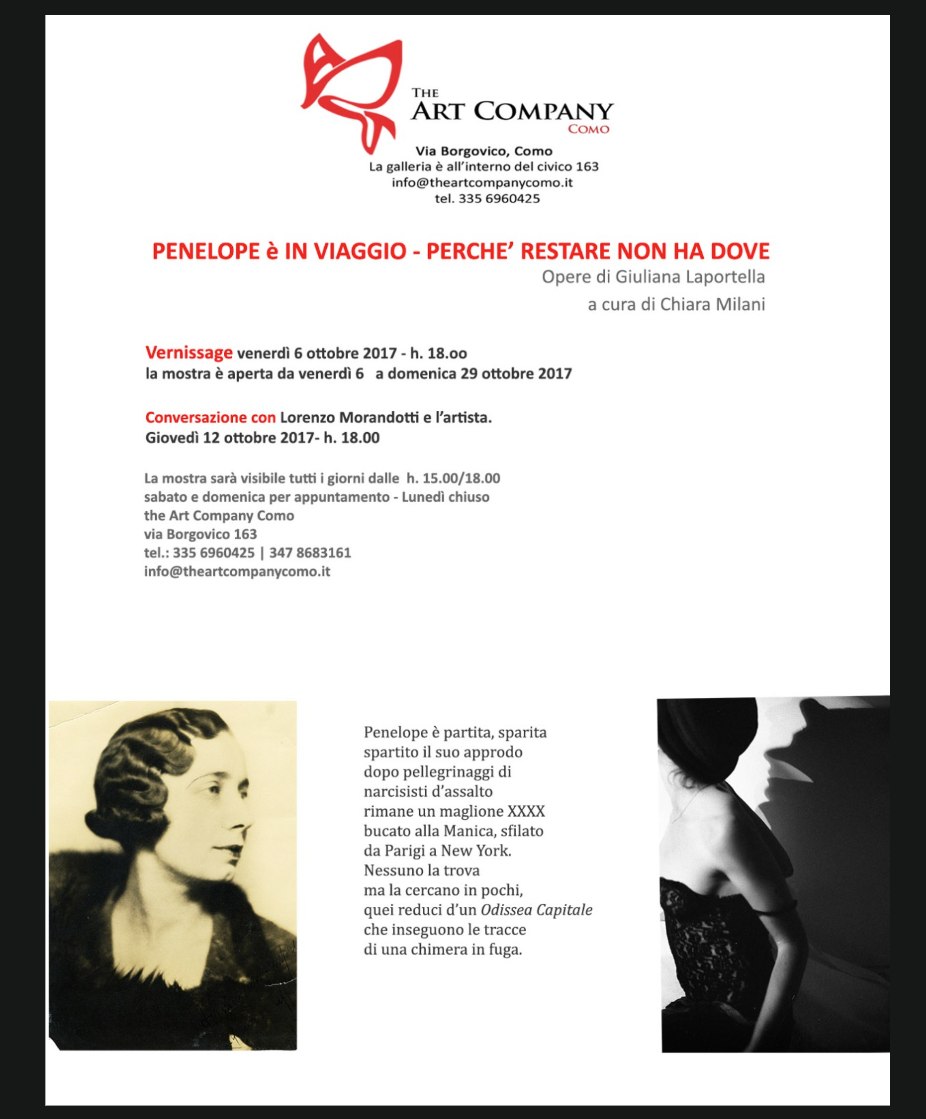
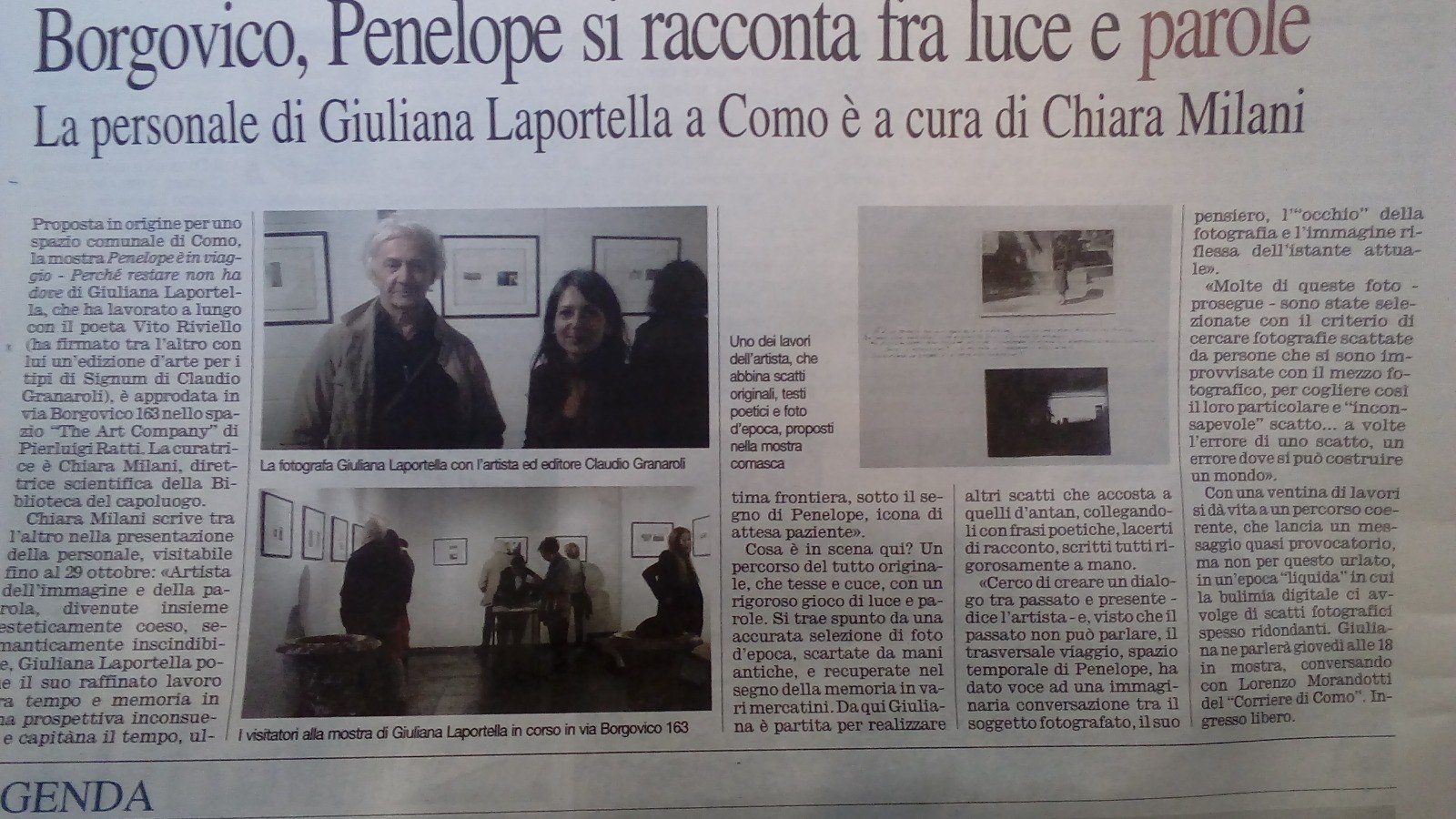
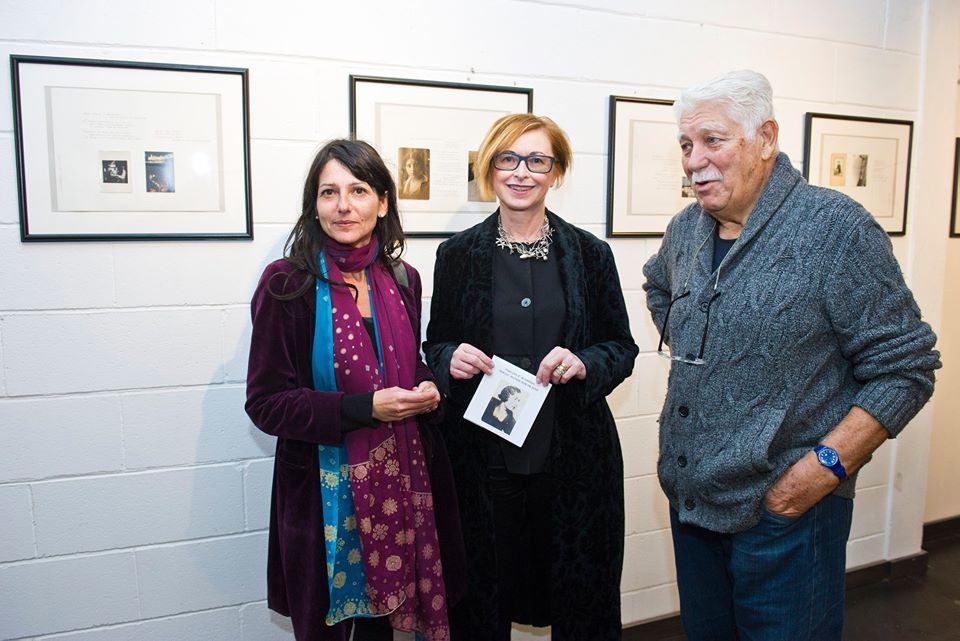
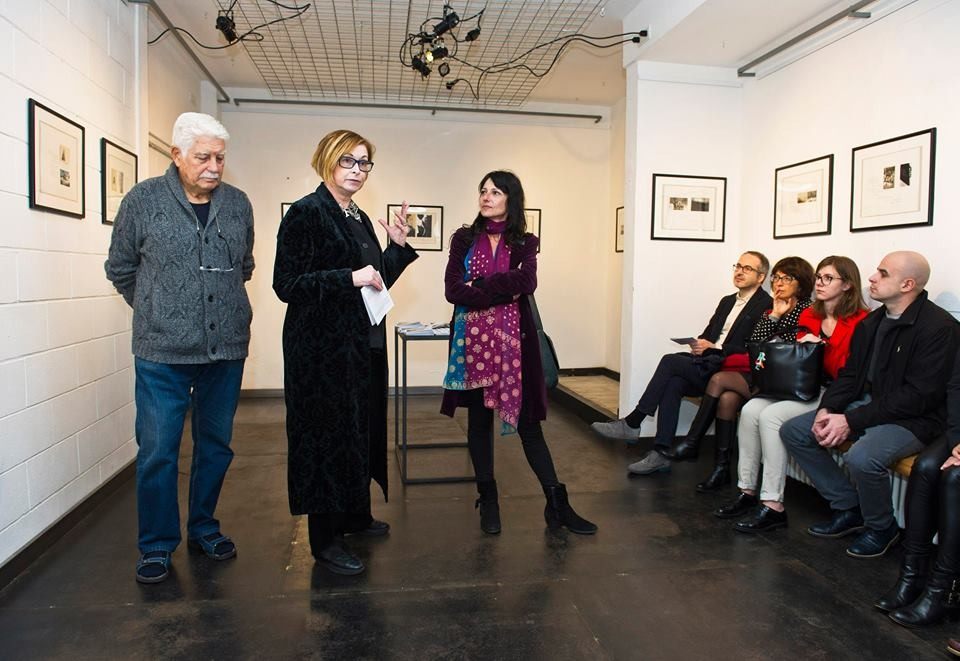
Exhibition poster · Corriere della Sera, 2017 · Exhibition view, The Art Company, Como
For press requests, high-resolution material or information about the project, contact Giuliana Laportella.
Write for press